
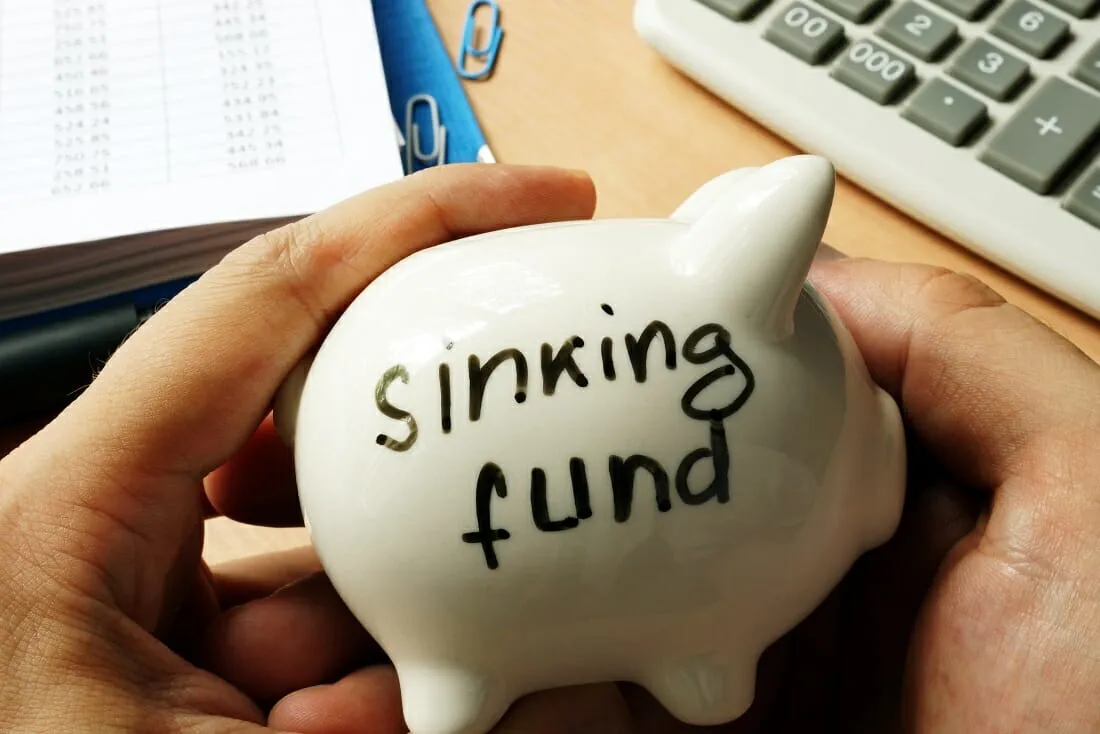
Creating Financial Harmony with Sinking Funds
Anticipating future expenditures while maintaining financial balance is a common challenge many face. By systematically setting aside funds for known future obligations, individuals can seamlessly manage their cash flow. This strategic approach offers a pathway to navigate financial responsibilities with ease, enhancing overall peace of mind.
The Mechanics of Purposeful Allocation
Redefining How You Handle Predictable Expenses
Anyone who has managed a household budget knows the frustration of feeling like money is slipping through their fingers, even when monthly expenses seem under control. The culprit is rarely the daily coffee or the weekly grocery run; rather, it is the irregular, larger expenses that arrive every few months or once a year. This is where the concept of a specific, targeted savings pot becomes a game-changer. Unlike a general emergency fund, which is designed to catch you when you fall during unexpected disasters like job loss or medical emergencies, this strategy focuses on the knowns. It addresses the costs you know are coming but often fail to budget for until the bill arrives, such as car maintenance, annual insurance premiums, or holiday gifts.
The process of implementing this strategy is remarkably simple yet transformative. It involves calculating the total amount needed for a future expense and dividing it by the number of months remaining until the payment is due. For instance, a substantial annual insurance bill can feel overwhelming if paid in a single month, potentially forcing a dip into savings or reliance on credit. However, when that same amount is divided by twelve, the monthly contribution becomes a manageable line item in your budget. This technique smooths out the peaks and valleys of cash flow, ensuring that your lifestyle doesn't have to drastically change just because a specific bill is due. By treating these future obligations as monthly payments to yourself, you are essentially pre-paying your bills at zero interest, securing your financial stability against the inevitable waves of life's expenses.
Psychological Shifts and Spending Freedom
Eliminating the Guilt of Consumption
One of the most profound benefits of this financial strategy is not just mathematical, but psychological. For many, spending money from a general savings account triggers a sense of loss or guilt. We work hard to build up a "nest egg," and seeing that balance drop—even for a planned vacation or a necessary repair—can feel like a setback. This "pain of paying" often dampens the enjoyment of the experience or adds stress to necessary transactions. However, when you utilize a sinking fund, you completely reframe the emotional context of spending.
Because the money was separated and labeled for a specific purpose from the very beginning, spending it feels like the successful execution of a plan rather than a financial failure. When you withdraw money that has been designated for "Travel" or "Home Repair," you are doing exactly what you intended to do with those dollars. This shift allows you to walk into a car repair shop or book a holiday flight with confidence. The anxiety of "can I afford this?" is replaced by the satisfaction of "I have already paid for this." It empowers you to enjoy life's pleasures and handle life's responsibilities without the lingering shadow of financial regret.
| Aspect | General Savings Account | Targeted Sinking Fund |
|---|---|---|
| Primary Purpose | Security, wealth building, and unknown emergencies. | Spending on specific, known future events or bills. |
| Psychological Impact | Spending feels like a loss or a setback to progress. | Spending feels like a success and completion of a goal. |
| Accessibility | Often kept slightly harder to reach to prevent usage. | Accessible when the specific event or bill is due. |
| Outcome | fluctuating balance causes anxiety. | Balance drops are expected and stress-free. |
Navigating Essential and Discretionary Categories
Turning large, looming bills into harmless monthly transfers is perhaps the most practical application of this method. Mandatory costs like property taxes, biannual car insurance, or school tuition fees are often the heavy hitters that wreck a monthly budget. If you attempt to cash-flow these expenses in the month they occur, you likely have to sacrifice other categories or dip into debt. By annualizing these costs and breaking them down, you turn a financial boulder into pebbles.
Consider the "predictable emergencies" that often catch people off guard, such as vehicle tires wearing out or aging appliances needing replacement. These are not true emergencies; tires are a consumable good, and appliances have a lifespan. By setting up a "Car Maintenance" or "Appliance Replacement" fund and contributing a small amount monthly, you remove the shock factor. When the mechanic says you need new brakes, it is an inconvenience to your schedule, not a crisis for your wallet. This method separates true emergencies from standard life maintenance, preserving your actual emergency fund for genuine, unpredictable disasters.
On the lighter side, this approach effectively funds the fun parts of life without the hangover of debt. Whether it is Christmas, a summer vacation, or a personal treat, saving specifically for these joys validates them. It gives you permission to spend extravagantly within the boundaries you set for yourself. You are not depriving your future self; you are actively funding your present happiness.
Avoiding Pitfalls in Your Savings Strategy
Simplifying Categories and Protecting Your Progress
While the enthusiasm for organizing finances can be high at the start, a common mistake is over-complication. Creating a distinct fund for every single variable expense—separate envelopes for oil changes, wiper blades, car wash, and registration—can quickly become a logistical nightmare. This complexity often leads to burnout and abandonment of the system. A more sustainable approach is to group related expenses into broader categories. Instead of micro-managing, create a "Auto Transport" fund that encompasses everything related to the car, or a general "Gift Fund" that covers birthdays, weddings, and holidays. Keeping the system simple reduces the mental load required to maintain it.
Another critical discipline is protecting these funds from "lifestyle creep" or casual borrowing. It is tempting to look at a healthy balance in a sinking fund and decide to "borrow" a little for a night out, promising to pay it back later. This habit undermines the security the fund is meant to provide. To prevent this, many find success in keeping these funds in a separate savings account, away from the daily checking account used for groceries and gas. This slight physical separation adds a layer of friction that prevents impulsive transfers. Furthermore, it is essential to review your contribution amounts periodically. Inflation and rising costs mean that what was sufficient for a car repair two years ago might not be enough today. A semi-annual review ensures your targets remain realistic and your peace of mind remains intact.
Q&A
-
What are planned expenses and why are they important in financial organization?
Planned expenses refer to anticipated costs that an individual or organization expects to incur over a certain period. They are crucial for financial organization as they allow for better budgeting, ensuring that resources are allocated efficiently. By planning expenses, individuals can avoid overspending and ensure that they have enough funds to cover essential costs, leading to improved financial stability.
-
How can periodic saving contribute to budget stability?
Periodic saving involves setting aside a portion of income at regular intervals. This practice contributes to budget stability by creating a financial buffer that can absorb unexpected expenses or income fluctuations. Regular savings can also help in achieving long-term financial goals, such as buying a home or retirement, providing a sense of security and financial independence.
-
What strategies can be used for effective expense preparation?
Effective expense preparation involves several strategies, including creating a detailed budget, tracking spending, and setting financial goals. It is also helpful to categorize expenses into fixed, variable, and discretionary to better understand spending patterns. Regularly reviewing and adjusting the budget according to changes in income or expenses ensures that financial plans remain relevant and effective.
-
How does cost anticipation help in maintaining financial health?
Cost anticipation involves predicting future expenses and planning accordingly. This proactive approach helps in maintaining financial health by reducing the likelihood of financial surprises that can disrupt budgets. By anticipating costs, individuals can allocate funds more effectively, prioritize essential expenditures, and avoid unnecessary debt, thus maintaining a stable financial condition.
-
What role does financial organization play in achieving long-term financial goals?
Financial organization plays a pivotal role in achieving long-term financial goals by providing a structured approach to managing money. It involves budgeting, saving, investing, and planning for future expenses, all of which contribute to building wealth over time. A well-organized financial plan helps individuals stay focused on their objectives, make informed financial decisions, and adjust their strategies as needed to reach their goals efficiently.