
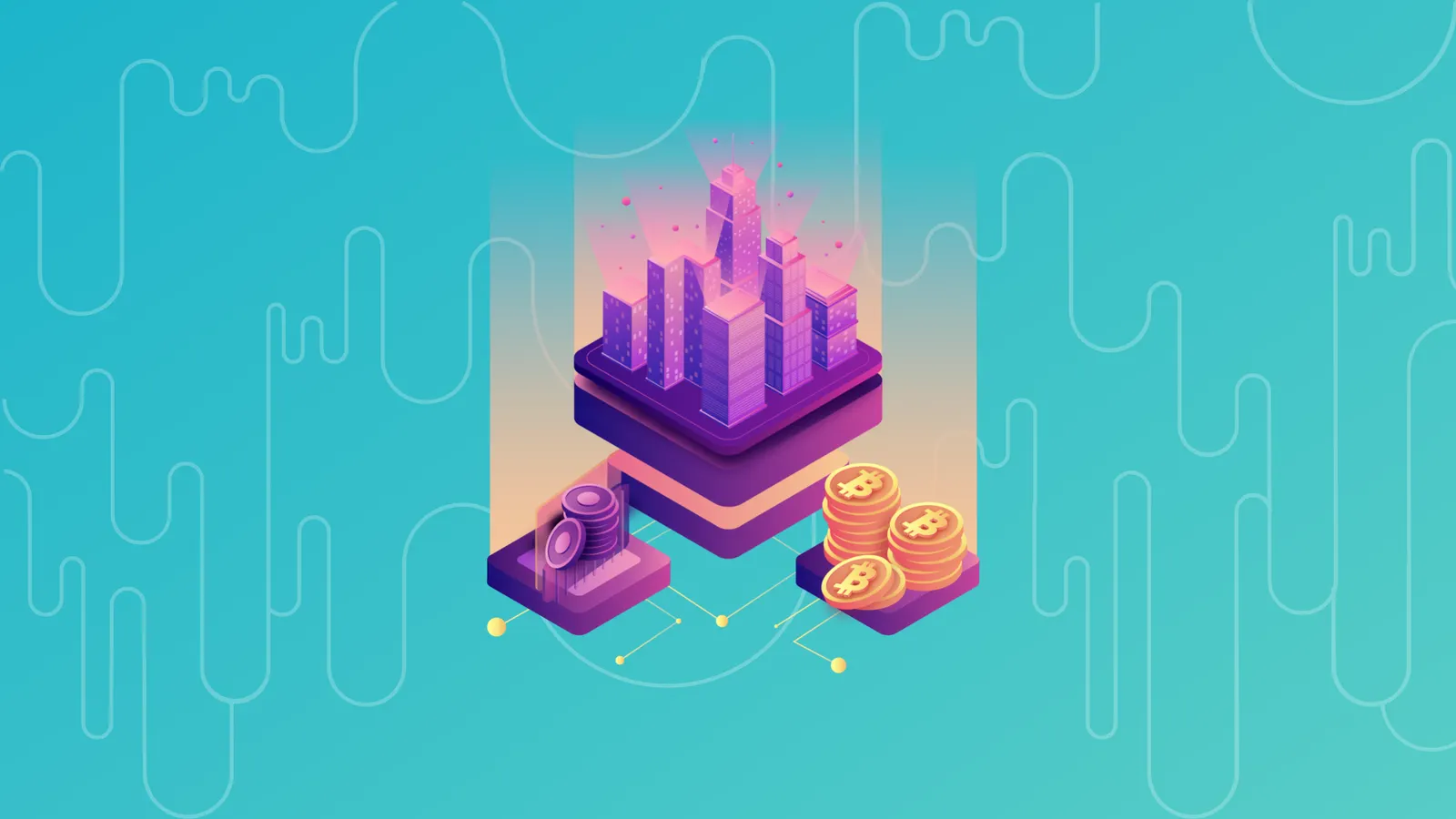
The Architecture of Digital Value
Redefining Trust Through Code
The engine driving the modernization of finance is not merely the database, but the logic embedded within it. Smart contract automation stands at the forefront of this shift, replacing the slow, manual, and error-prone processes of traditional back-office administration with instantaneous, self-executing code. In the context of asset management, these protocols handle complex tasks such as dividend distribution, voting rights, and compliance checks without human intervention. When a specific condition is met—such as a profit milestone or a regulatory date—the contract executes the corresponding action immediately.
This automation significantly reduces the cost of maintaining an investment vehicle. In traditional setups, a legion of lawyers, accountants, and administrators is required to ensure that transfers of ownership are valid and that investors receive their due returns. By embedding these rules directly into the digital token, the system ensures that governance is strictly followed. For instance, if a regulated asset can only be held by accredited investors, the smart contract can automatically reject a transfer to a wallet that lacks the necessary digital identity verification. This creates a trustless environment where participants rely on the immutability of the code rather than the goodwill of an intermediary, streamlining operations and reducing the friction that typically slows down market velocity.
Securing the Digital Vault
As value migrates from paper certificates to cryptographic tokens, the question of safety becomes paramount. Blockchain custody solutions have evolved far beyond simple digital wallets used by early retail enthusiasts. For institutional-grade assets, custody involves a sophisticated layering of security protocols designed to prevent theft, loss, or unauthorized access. This is the bedrock upon which the entire ecosystem of digital value rests; without robust custody, large-scale participation from traditional financial players is impossible.
Modern custody solutions often utilize multi-party computation (MPC) or hardware security modules (HSM) to shard private keys, ensuring that no single point of failure exists. This means that moving an asset requires approval from multiple authorized parties, mimicking the checks and balances found in traditional bank vaults but with greater speed and transparency. Furthermore, these custody providers often carry insurance and undergo regular audits, bridging the gap between the wild west of early internet finance and the rigorous standards of global banking. By providing a secure environment for holding these digital representations of value, custodians empower investors to focus on strategy and asset allocation rather than worrying about the technical integrity of their holdings.
| Feature | Traditional Asset Custody | Digital Asset Custody |
|---|---|---|
| Settlement Speed | T+2 or longer (Days) | Near-instant or T+0 (Minutes) |
| Access Hours | Banking hours only | 24/7 global access |
| Ownership Proof | Ledger entries at a central depository | Cryptographic proof on a distributed ledger |
| Transparency | Opaque, requires manual reconciliation | Transparent, real-time auditability |
| Intermediaries | Multiple (Broker, Clearing House, Custodian) | Minimal (Direct interaction with blockchain) |
Democratizing Exclusive Markets
Breaking Down Corporate Barriers
Historically, investing in high-growth private companies was a privilege reserved for venture capital firms and ultra-high-net-worth individuals. The minimum capital requirements were prohibitively high, and the legal complexities effectively walled off the general public. Private equity token trading changes this paradigm by converting ownership stakes in private entities into digital units. This process allows a much wider demographic to participate in the value creation of non-public companies, effectively flattening the hierarchy of investment access.
When equity is digitized, it allows for a more granular distribution of shares. An investor who previously needed millions to enter a fund might now be able to participate with a fraction of that amount. This democratization does not just benefit investors; it also provides companies with a broader pool of capital. instead of relying on a handful of powerful partners, a business can raise funds from a distributed network of supporters who are aligned with its long-term success. Furthermore, the digital nature of these stakes simplifies cap table management. Changes in ownership are updated in real-time, reducing the administrative burden on the company and ensuring that the shareholder registry is always accurate, regardless of how frequently the shares change hands.
Solving the Cash Flow Puzzle
One of the most significant drawbacks of alternative investments has always been the "illiquidity discount." When capital is deployed into private equity or real estate, it is typically locked up for years, with no easy way to exit the position early. Token liquidity provision addresses this challenge by creating a secondary market where these digital interests can be bought and sold. While this does not guarantee the volume of a major stock exchange, it offers a mechanism for exiting a position that simply did not exist before.
The ability to trade these tokens on specialized platforms introduces a layer of flexibility to portfolio management. Investors can rebalance their holdings in response to market changes without waiting for a fund's ten-year lifecycle to conclude. This liquidity is facilitated by automated market makers and liquidity pools, which can provide price discovery even for assets that trade infrequently. By lowering the risk of being "stuck" in an investment, the overall appeal of the asset class increases. Consequently, the illiquidity premium shrinks, potentially unlocking value that was previously suppressed by the rigid structure of traditional private market vehicles.
Real-World Assets on the Chain
A New Era for Hard Assets
The digitization movement extends beyond corporate shares into the realm of physical goods. Commodity backed digital tokens represent a direct claim on real-world resources such as gold, oil, agricultural products, or rare metals. Unlike trading futures contracts, which are often financial bets on price movements, these tokens are tied to specific, audited reserves held in secure storage. This creates a bridge between the tangible stability of commodities and the transfer speed of the digital economy.
For the average investor, holding physical commodities is logistically difficult; storing barrels of oil or bars of gold requires warehousing and security. Digital tokens remove this friction. The holder owns the legal rights to the underlying commodity without the burden of physical delivery. This innovation also allows for the seamless use of commodities as collateral in decentralized finance applications. A user could, theoretically, borrow against their gold-backed tokens instantly, without needing a bank's approval. This utility transforms static physical assets into productive financial tools, enhancing the efficiency of global trade and investment portfolios.
Owning a Piece of the Pie
Perhaps the most visually tangible application of this technology is real asset fractional ownership. This concept applies to high-value items like commercial real estate, fine art, or luxury collectibles. In the past, owning a masterwork painting or a downtown skyscraper was a binary outcome: you either owned it or you didn't. Fractionalization splits these massive assets into millions of digital shares, allowing investors to own a specific percentage of the underlying asset.
This approach allows for precise portfolio diversification. Instead of sinking an entire fortune into one property, an investor can spread that capital across ten different buildings in ten different cities. The smart contracts governing these fractions can also automate the distribution of rental income or royalties directly to the token holders' wallets. This creates a passive income stream that is easy to manage and track. Moreover, it brings price discovery to markets that are traditionally opaque; the value of a fractionalized building can be tracked in real-time based on the trading price of its tokens, providing clearer valuation metrics than periodic appraisals.
Q&A
-
What are Private Equity Token Trading and its benefits?
Private Equity Token Trading refers to the process of using blockchain technology to tokenize shares of private equity funds, allowing them to be traded on a digital exchange. This approach enhances liquidity, reduces barriers to entry for smaller investors, and enables 24/7 trading, thus increasing market accessibility and efficiency. -
How do Commodity Backed Digital Tokens work?
Commodity Backed Digital Tokens are digital representations of physical commodities such as gold, oil, or agricultural products. These tokens are backed by the actual commodity, providing investors with a way to invest in physical assets without the need for storage or transportation. This method offers greater flexibility and can lead to more stable pricing due to the underlying asset value. -
What is Real Asset Fractional Ownership and how does it benefit investors?
Real Asset Fractional Ownership involves dividing a real asset, like real estate or infrastructure, into smaller, tradable fractions using tokenization. This allows multiple investors to own a portion of a high-value asset, democratizing access to real estate markets and enabling investors to diversify their portfolios without needing large amounts of capital. -
How do Blockchain Custody Solutions enhance security for digital assets?
Blockchain Custody Solutions provide secure storage and management of digital assets, such as cryptocurrencies and tokens. These solutions use advanced cryptographic techniques and multi-signature wallets to protect against theft and unauthorized access. By ensuring the safekeeping of digital assets, these solutions build trust among investors and facilitate wider adoption of blockchain technologies. -
What role does Smart Contract Automation play in the token economy?
Smart Contract Automation is the use of self-executing contracts with the terms of the agreement directly written into code. In the token economy, smart contracts automate processes such as trading, settlement, and compliance checks, reducing the need for intermediaries and minimizing human error. This leads to faster transactions, lower costs, and increased transparency in tokenized ecosystems.