
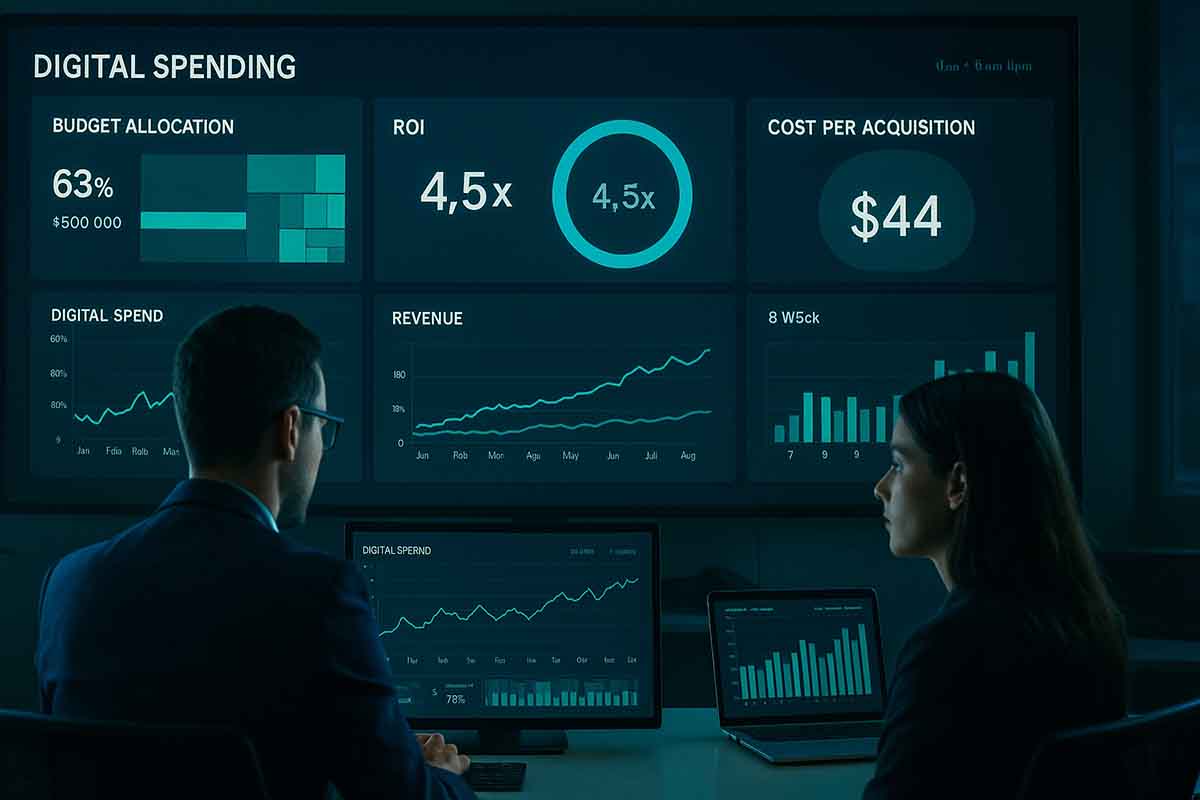
The Power of Immediate Data Processing
Transforming Financial Transparency with Speed
The most significant driver behind the widespread adoption of modern financial instruments is their immediacy. Unlike traditional money management, where transactions might take days to reflect on a paper statement, contemporary payment systems process vast amounts of data the moment a transaction occurs. This shift means that a purchase is no longer just a transfer of funds; it is an instant data point that updates a user’s entire financial picture in milliseconds. This speed is crucial during periods of economic fluctuation or when adhering to a strict financial plan.
When a consumer makes a purchase, the impact is immediately visible on their device. This capability fundamentally changes decision-making. Instead of wondering "how much did I spend last week," users can instantly see "how much is safe to spend right now." This real-time synchronization acts as the central nervous system of modern finance, aggregating data from multiple accounts and merchants into a single, coherent view. It allows for on-the-spot price comparisons and smarter purchasing choices, as the data necessary to make an informed decision is always at the user's fingertips. The delay between action and information has been eliminated, granting a level of transparency that was previously impossible to achieve without tedious manual bookkeeping.
The Psychology and Security of Instant Feedback
The shift from delayed paper statements to instant digital notifications has introduced a powerful psychological component to money management. In the past, realizing one had overspent often came too late—usually at the end of the month when reviewing a bank statement. Today, the immediate "buzz" or notification on a smartphone following a transaction provides a tangible sense of money leaving one's possession. This real-time feedback loop serves as a subtle behavioral brake, curbing unconscious spending and encouraging more deliberate consumption. It forces a moment of reckoning right at the point of sale, turning what used to be a passive activity into an active, conscious decision.
Beyond the behavioral benefits, this immediacy plays a critical role in asset protection. The ecosystem of mobile devices and financial platforms balances convenience with sophisticated security measures. Complex encryption and authentication processes operate invisibly behind simple user interfaces like facial recognition or fingerprint scanners. Because the system understands a user's typical behavior patterns, it can instantly flag anomalies. If a transaction occurs that deviates significantly from established habits—such as an unusual location or a high-value purchase—the user is alerted immediately. This rapid response capability not only prevents fraud but also alleviates the anxiety often associated with digital payments, allowing users to enjoy the convenience of the technology with peace of mind.
Intelligent Automation and Future Forecasting
Eliminating the Drudgery of Manual Administration
For decades, the primary obstacle to effective money management was the sheer time commitment required for data entry and categorization. The mental load of tracking every receipt and balancing a checkbook often led to abandonment of the process. Modern software has quietly but dramatically removed this barrier through advanced automation. Tasks that previously required human intervention, such as sorting expenses into categories like "groceries" or "utilities," or reconciling complex transaction codes, are now handled automatically by algorithms.
This "silent power" of automation does more than just save time; it fundamentally improves the accuracy of financial records. Human error—transposing numbers or forgetting to log a coffee run—is virtually eliminated. By offloading these repetitive tasks to a digital system, individuals can shift their focus from the tedious mechanics of recording history to the productive work of strategy and planning. Whether for a household or a small business, integrating these background automation processes is the first step toward building a robust financial foundation. It ensures that the data being analyzed is always current and accurate without requiring constant vigilance from the user.
| Feature Comparison | Traditional Manual Methods | Modern Automated Systems |
|---|---|---|
| Data Entry | Requires physical receipts and manual logging | Automatic synchronization with bank feeds |
| Error Rate | High susceptibility to calculation and entry errors | Near-zero error rate in transaction recording |
| Time Investment | Significant weekly hours dedicated to balancing | minimal maintenance; focus shifts to review |
| Categorization | Subjective and inconsistent | Consistent, rule-based sorting via algorithms |
| Accessibility | Static, physical records often at home | Cloud-based, accessible anywhere securely |
Predictive Capabilities and Strategic Planning
True control over one's finances requires more than just a record of the past; it demands the ability to foresee the future. Contemporary tools have evolved beyond simple logging to offer predictive insights that were once the domain of professional data scientists. By analyzing historical data and recurring patterns, these systems can forecast future account balances and identify potential cash flow issues before they occur. For instance, a system might predict a spike in utility costs during winter months or flag a subscription renewal that is about to hit, allowing the user to adjust their allocation accordingly.
This democratization of data science means that complex calculations are performed in the cloud, presenting the user with simple, actionable "optimal solutions." This predictive approach transforms budgeting from a rigid, static constraint into a dynamic, flexible strategy. Users can navigate their financial month with foresight, adjusting their behavior based on projected outcomes rather than current balances alone. This capability significantly reduces the risk of overdrafts or unexpected shortfalls, providing a layer of stability and confidence. By leveraging cloud infrastructure, these tools scale their processing power as needed, ensuring that even as a user’s financial life becomes more complex, the insights remain sharp and timely.
Visual Clarity and Behavioral Analysis
Decoding Habits via Historical Data
The true value of recording expenses lies not in the numbers themselves, but in the behavioral patterns they reveal. Digital platforms excel at aggregating long-term data to show trends that are invisible on a day-to-day basis. Through intuitive dashboards, users can discover "leakage" in their finances—small, recurring expenses that accumulate to significant sums over time. For example, a user might feel they are frugal, but data visualization might reveal that dining out on weekends consumes a disproportionate amount of their income compared to groceries.
Visualizing Control and Reducing Anxiety
Money is often a source of significant stress, largely due to the fear of the unknown. The "visualization" capabilities of modern tools act as a powerful antidote to this anxiety. When abstract financial concepts are converted into clear graphs, pie charts, and trend lines, the brain can process the information far more efficiently than it can process rows of numbers. Seeing a clear visual representation of cash flow—income versus expenses—creates a sense of order and comprehensibility.
This visual clarity facilitates a shift from passive observation to active control. Instead of feeling overwhelmed by a vague sense of "not having enough," a user can see exactly where resources are allocated. It allows for a "health check" of one's finances at a glance. If a category like "Leisure" is consuming too much of the pie, it can be adjusted immediately. This ability to course-correct mid-month, rather than regretting choices at the end of the month, empowers users. It fosters a proactive mindset where the individual dictates the flow of their resources, aligning their spending with their values and long-term life goals. In an uncertain economic environment, this clarity provides the mental bandwidth necessary to make sound, confident decisions.
Q&A
-
What are budgeting apps and how do they assist in managing finances?
Budgeting apps are digital tools designed to help individuals and businesses manage their finances more effectively. They allow users to set budgets, track expenses, and visualize their financial health. By using these apps, users can categorize spending, monitor cash flow, and make informed financial decisions. The apps often come with features like spending limits, goal setting, and personalized financial advice, making budgeting more accessible and efficient.
-
How does expense tracking work in budgeting apps?
Expense tracking in budgeting apps involves recording and categorizing every financial transaction. Users can manually input expenses or sync their bank accounts to automatically capture spending data. This feature allows users to see where their money is going and adjust their spending habits accordingly. Many apps also offer visual representations of spending patterns through charts and graphs, providing users with a clear overview of their financial behavior.
-
What are real-time alerts in budgeting apps, and why are they important?
Real-time alerts are notifications that budgeting apps send to users to inform them about their financial activities as they happen. These alerts can include reminders about upcoming bill payments, notifications of unusual spending, or warnings when approaching budget limits. Real-time alerts are crucial because they help users stay on top of their finances, avoid overdrafts, and make timely financial decisions, thus promoting better financial discipline.
-
How can spending analytics improve financial visibility?
Spending analytics in budgeting apps provide detailed insights into a user's financial habits by analyzing their income and expenses. These analytics can highlight trends, identify areas of overspending, and suggest ways to save money. By offering a comprehensive view of financial activities, spending analytics enhance financial visibility, allowing users to see the bigger picture and make data-driven decisions to optimize their financial well-being.
-
What automation features do budgeting apps offer, and how do they benefit users?
Automation features in budgeting apps include automatic categorization of transactions, recurring bill payments, and scheduled savings contributions. These features reduce the manual effort required to manage finances and ensure consistency in financial tracking. By automating routine financial tasks, users can save time, minimize errors, and focus on achieving their financial goals with less stress and more efficiency.