
Establishing a Dedicated Safety Buffer
The Concept of a Monetary Airbag
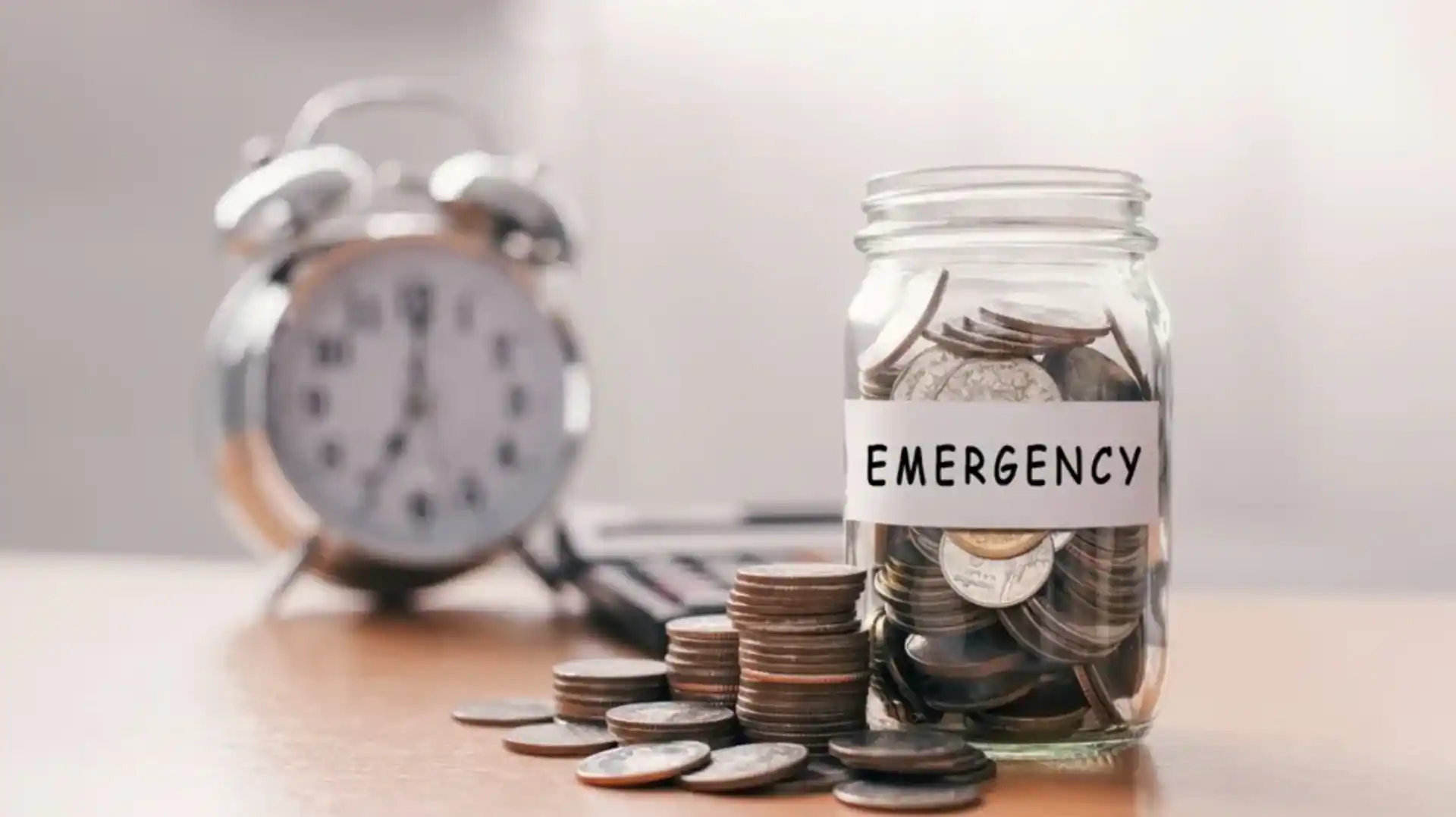
In the realm of personal finance, a dedicated reserve fund acts much like an airbag in a vehicle. It is a passive safety device that remains dormant during smooth journeys but deploys instantly upon impact to prevent catastrophic damage. It is crucial to distinguish this specific pool of capital from savings intended for leisure, such as vacations, or long-term growth vehicles like retirement accounts. The primary function here is strictly defensive: to keep your daily life from collapsing when faced with job loss, medical emergencies, or significant household repairs.
Without this specific buffer, a sudden financial shock often forces individuals to rely on high-interest credit cards or predatory loans. This reactive approach can spiral into a debt cycle that takes years to break. By having a pre-funded "airbag," you maintain the ability to handle crises calmly and logically. You are paying for the privilege of not having to make desperate decisions under duress.
Furthermore, the form this capital takes is just as important as its existence. The defining characteristic must be high accessibility. Unlike real estate or certain bonds which may take time to liquidate, or stocks which fluctuate in value, this fund must be kept in a state where it can be retrieved immediately without penalty or loss of value. High-yield savings accounts or standard bank accounts are typically the preferred vehicles, ensuring that the friction between a crisis occurring and your ability to pay for it is virtually non-existent.
Calculating and Positioning Your Reserves
Determining the Optimal Coverage Level
Determining the precise amount to set aside can often be a source of confusion. A widely accepted guideline within financial planning circles suggests accumulating enough capital to cover three to six months of essential living costs. It is vital to emphasize the word "essential." This calculation should not be based on your current income or your spending during peak lifestyle months, but rather on the bare minimum required to keep your household functioning. This includes rent or mortgage payments, utilities, groceries, and insurance premiums.
When you strip away discretionary spending—such as dining out, entertainment subscriptions, and luxury purchases—the target number often becomes much more attainable than it first appears. This period of three to six months is designed to buy you time. In the event of income loss, this window allows you to search for new employment without the immediate threat of eviction or default. It transforms a potential disaster into a manageable transition period.
To help visualize how to categorize expenses for this calculation, consider the distinction between survival costs and lifestyle costs. Prioritizing the former ensures your target goal is realistic and grounded in necessity rather than luxury.
Protecting Long-Term Assets
One of the most overlooked benefits of holding a substantial cash reserve is its role in protecting your future wealth. Without a liquid buffer, a financial shock forces you to become a seller of assets at potentially the worst possible time. If you are forced to liquidate stocks, mutual funds, or retirement holdings during a market downturn to pay for a broken furnace or a medical bill, you not only lock in losses but also destroy the compounding potential of that capital.
Financial professionals often refer to this as "leakage." When money meant for the distant future is siphoned off to cover present-day emergencies, the damage is twofold: you lose the asset, and you trigger potential taxes and penalties. A robust cash reserve acts as a shield for your investment portfolio. It ensures that your long-term strategy can remain uninterrupted regardless of the immediate economic climate. By separating your immediate survival needs from your wealth-building assets, you ensure that you never have to interrupt the power of compound interest to fix a flat tire.
The Strategy of Automation and Retention
Removing Willpower from the Equation
A common pitfall in building a safety net is relying on sheer willpower. The human brain is wired to prioritize immediate gratification over future safety, making it psychologically taxing to decide to save money every single month. When you rely on a manual decision—"I will save whatever is left at the end of the month"—the result is often that nothing remains. The most effective strategy to counter this is to remove the decision-making process entirely through automation.
Behavioral economics suggests that "set it and forget it" systems are superior because they bypass our tendency to procrastinate or overspend. By setting up an automatic transfer that moves funds from your checking account to your reserve account the moment your salary arrives, you effectively hide that money from yourself. You learn to live on the remainder, adjusting your lifestyle to fit the available balance. This "pay yourself first" mechanism ensures that saving becomes the priority rather than an afterthought.
Over time, this automated friction—where it is harder to stop saving than to continue—builds significant wealth. You no longer need to exercise discipline every payday; you only need to be disciplined once when setting up the system. This method transforms the accumulation of wealth from a monthly struggle into a background process that requires no active mental energy.
| Feature | Reactive Saving (Manual) | Proactive Saving (Automated) |
|---|---|---|
| Trigger Mechanism | Relies on conscious decision at end of month | Occurs instantly upon receipt of income |
| Consistency | Highly variable; depends on mood and spending | constant and predictable growth |
| Psychological Load | High; requires repeated self-denial | Low; "out of sight, out of mind" |
| Success Rate | Generally lower due to lifestyle creep | Significantly higher due to forced scarcity |
| Spending Habit | "Spend first, save what is left" | "Save first, spend what is left" |
Beyond Numbers: The Mental Impact
Cultivating Resilience and Reduced Anxiety
While the tangible benefits of a cash reserve are measured in currency, the intangible benefits are measured in quality of life. Financial stress is a leading cause of anxiety and relationship strain. Living paycheck to paycheck creates a background radiation of worry, where every unexpected noise in the car or letter from the landlord triggers a spike in cortisol. Possessing a fully funded reserve silences this noise.
Research consistently indicates that individuals with access to immediate liquidity report higher levels of happiness and lower levels of depression, regardless of their total net worth. This psychological stability stems from the knowledge that you have regained control over your environment. You are no longer at the mercy of external events. This state of mind, often referred to as resilience, allows you to take calculated risks in your career and life, knowing that you have a soft landing waiting for you.
Moreover, this mental clarity prevents panic-induced decision-making. When you are not desperate for cash, you can negotiate better terms on large purchases, wait for the right job opportunity rather than taking the first lowball offer, and hold your investments through market volatility. In this sense, the money sitting in your low-interest bank account is earning a different kind of return: the ability to sleep soundly at night and the freedom to make choices based on your values rather than your fears.
Q&A
-
What is a financial cushion and why is it important?
A financial cushion refers to a reserve of funds that individuals set aside to cover unexpected expenses or financial emergencies. It is important because it provides a safety net that can help individuals manage unforeseen costs without having to rely on high-interest credit or loans. This cushion helps in maintaining financial stability and reduces stress during unpredictable financial disruptions. -
How can individuals prepare for unexpected expenses?
Preparing for unexpected expenses involves creating an emergency fund, which typically should cover 3-6 months of living expenses. Additionally, maintaining liquidity access, such as having savings in easily accessible accounts, ensures that funds are available when needed. Regularly reviewing and adjusting your budget can also help to accommodate any surprise costs without impacting your financial health significantly. -
What role does liquidity play in short-term financial security?
Liquidity refers to the ease with which assets can be converted into cash without losing value. It plays a crucial role in short-term financial security by ensuring that individuals have quick access to funds in case of emergencies. High liquidity means that one can cover urgent expenses promptly, thus avoiding the financial strain that might come from delayed access to money or needing to sell assets at a loss. -
How does income disruption affect financial stability, and what can be done to mitigate its impact?
Income disruption, such as job loss or reduced work hours, can significantly affect financial stability by limiting cash flow and making it difficult to meet regular expenses. To mitigate its impact, individuals can build a robust financial cushion and diversify income sources. Additionally, investing in skills development can increase job security and potential for future income opportunities. -
In what ways does having a financial cushion contribute to peace of mind?
Having a financial cushion contributes to peace of mind by providing assurance that one can handle unexpected expenses or income disruptions without severe financial strain. This security alleviates anxiety related to financial uncertainties and allows individuals to focus on long-term financial planning and goals without constant worry about immediate financial needs.