
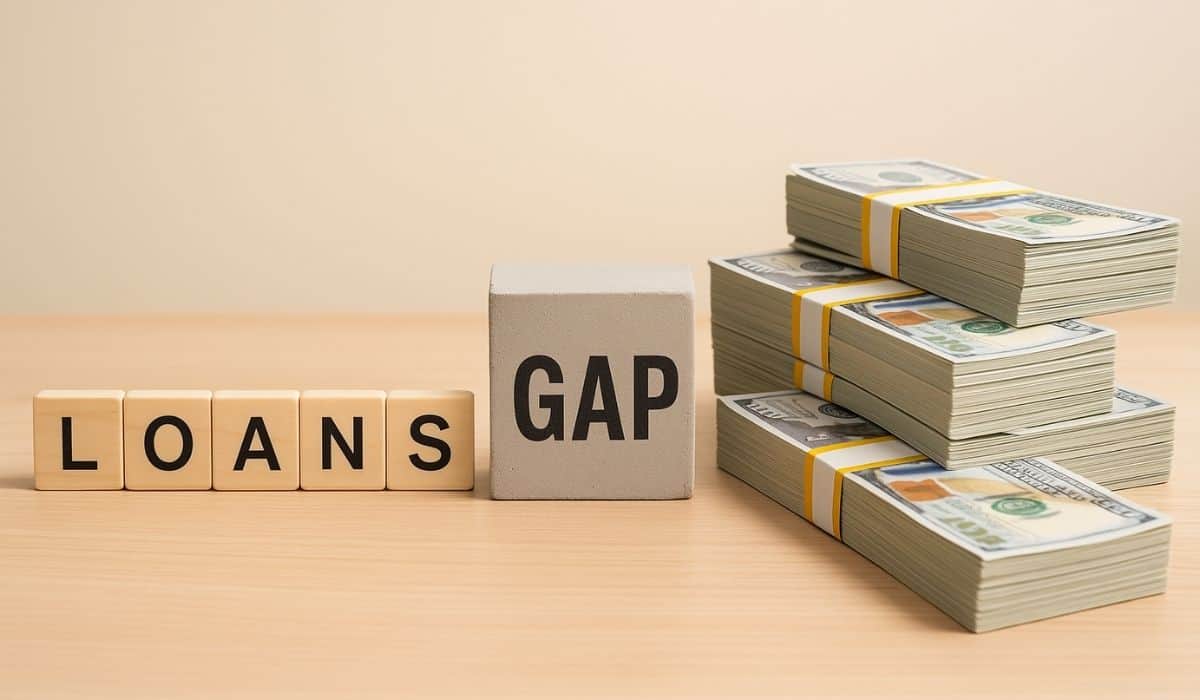
Strategic Balancing: Weighing Federal Versus Private Loan Benefits
Understanding the differences between federal and private student loans can significantly impact your financial health during and after your education. Let's explore how these options can be strategically used to minimize debt and maximize financial security.
1. The Safety Net of Federal Loans
Federal student loans offer several advantages that make them a popular choice for financing education. They typically come with fixed interest rates, which remain constant throughout the loan's duration, providing a safeguard against market fluctuations. Moreover, federal loans are accessible to most undergraduates without the requirement of a credit check, which is beneficial for students who have not yet established credit histories.
A key feature of federal loans is the flexibility in repayment options. They include Income-Driven Repayment (IDR) plans, which structure payments based on income, ensuring affordability during periods of lower income. Additionally, federal loans offer provisions for deferment and forbearance, allowing temporary suspension of payments under certain conditions, such as economic hardship.
Federal loans also have protections and forgiveness programs that private loans do not offer. Therefore, most financial advisors recommend maximizing federal loan eligibility before turning to private lending options.
2. The Role of Private Lending
Private student loans can be a useful supplement when federal loans do not cover the total cost of education. These loans are credit-based, meaning the interest rates are dependent on the borrower’s credit score and payment history, often requiring a cosigner.
Private loans might offer variable rates that start lower than federal loans but carry the risk of increasing over time. While they can be beneficial for students with strong credit profiles seeking competitive rates, they typically lack the flexible repayment options and forgiveness programs associated with federal loans.
Private loans should generally serve as a last resort, used to fill funding gaps where federal loans fall short, rather than as the primary source of education financing.
3. Navigating Borrowing Limits and the "Funding Gap"
Understanding borrowing limits is crucial when planning for education financing. Federal loans come with set annual and lifetime limits. For example, graduate students might face borrowing limits that necessitate exploring additional funding sources.
Federal aggregate loan limits enforce a cap on how much students can borrow, which may leave a "funding gap" in financing for costly degree programs. This gap often leads students to turn to private loans, necessitating careful financial planning to ensure that repayment remains manageable after graduation.
Students should evaluate the return on investment of their educational pursuits. If the costs exceed federal limits, it is crucial to consider the financial outcomes post-graduation and ensure that debt levels are sustainable relative to expected income.
Unlocking Student Loan Mysteries: Repayment and Refinancing
Transitioning from education borrowing to repayment is a critical phase for borrowers. Knowing the available options and strategies can help alleviate the stress associated with repaying student loans.
1. The Grace Period and Repayment Kick-off
Most student loans offer a "grace period," typically six months after graduation, before repayment begins. This period is intended to allow borrowers to gain employment and stabilize their finances. During this time, however, interest may still accrue on certain types of loans, so it's important to understand the terms specific to your loans.
Once repayment begins, federal loans offer the flexibility to change repayment plans, such as transitioning to an income-driven plan if initial salaries are lower than anticipated. Private loans, in contrast, generally require adherence to the original terms, offering less flexibility to adjust to financial changes.
2. The Refinancing Strategy
Refinancing student loans can be an attractive strategy for those with improved credit scores or stable incomes, potentially securing lower interest rates. This process involves taking out a new private loan to pay off existing student loans, possibly reducing the overall interest burden and consolidating payments.
While refinancing may offer immediate financial benefits, it requires careful consideration. Refinancing federal loans with a private lender means forfeiting federal protections, such as income-driven repayment plans and potential forgiveness options. Thus, refinancing is better suited for those with private loans at high interest rates who are confident in their long-term income stability.
Strategies and Solutions for a Debt-Free Future
Navigating student loans is more than just managing payments; it's about comprehensive financial planning to ensure long-term stability.
1. Borrowing Smart: Less is More
One of the most effective strategies is to only borrow what is necessary. Declining unnecessary loan amounts can significantly reduce the financial burden after graduation. Establishing a strict budget during school can minimize borrowing needs and contribute to greater financial freedom post-graduation.
2. Exploring Forgiveness Programs
Certain professions, particularly in the public service and non-profit sectors, may qualify for loan forgiveness programs after meeting specific criteria. By maintaining detailed records and certifying employment annually, borrowers can capitalize on these opportunities to reduce or eliminate loan balances.
3. Communication and Proactivity
Engaging actively with loan servicers and understanding repayment options is vital. If financial difficulties arise, proactively contacting your loan servicer can open doors to temporary relief options that protect credit ratings and financial futures. Staying informed and engaged can transform student debt from a stressor into a manageable component of your life plan.
Avoiding Common Pitfalls: Navigating Misinformation Around Student Loans
The field of student loans is rife with misinformation, which can lead to costly mistakes. Being aware of common misconceptions can help borrowers steer clear of unnecessary financial setbacks.
1. The "Pay for Help" Trap and Forgiveness Scams
Beware of scams that promise to "fix" your student loans for a fee. Legitimate loan assistance programs do not charge fees for applications or modifications. All processes, such as consolidation or applying for different repayment plans, are free through official government or loan servicer websites.
Illegitimate companies often solicit personal information under the guise of providing loan forgiveness or reduced payments. Always verify offers through your loan servicer and avoid sharing sensitive information with unverified third parties.
2. Misunderstanding Grace Periods and Interest Capitalization
The grace period after graduation is often misunderstood as a time where loans are entirely inactive. However, for unsubsidized loans, interest typically continues to accrue during this period and may be capitalized, or added to the principal, at the end of the grace period.
It's crucial to understand interest capitalization, as it can increase the total repayment amount significantly over time. Making interest-only payments during school or the grace period can prevent this accumulation and save money in the long term.
3. The Irreversible Error of Refinancing Federal Loans
Refinancing federal loans with private lenders can eliminate important federal loan benefits and protections. While refinancing might offer a lower interest rate, the loss of access to income-driven repayment plans and options for deferment or forbearance can present significant risks.
Borrowers should carefully weigh the benefits of lower interest rates against the long-term security provided by federal loan options. Making an informed decision about refinancing involves understanding both immediate savings and the potential impact on future financial flexibility.
Question and Answer
-
What are the key differences between Federal Loans and Private Loans?
Federal loans are typically offered by the government and come with benefits like fixed interest rates, income-driven repayment plans, and potential loan forgiveness options. They do not require a credit check for most undergraduate borrowers, making them accessible to many students. In contrast, private loans are offered by banks or credit unions and usually require a credit check, often necessitating a cosigner. Private loans may have variable interest rates, which can change over time, and they generally lack the flexible repayment options and forgiveness programs associated with federal loans. It's advisable to explore federal loan options before considering private loans to maximize available benefits and protections.
-
How does Loan Forgiveness work under Income-Driven Repayment plans?
Loan forgiveness under Income-Driven Repayment (IDR) plans occurs after a borrower has made a set number of qualifying payments, usually over 20 to 25 years. These plans adjust monthly payments based on the borrower's income and family size, ensuring they remain affordable. After the repayment period, any remaining loan balance is forgiven. However, borrowers should be aware that the forgiven amount may be considered taxable income, resulting in a potential tax liability. It's crucial to plan for this possibility and consult with a tax professional to understand the implications fully.
-
What is the Grace Period, and how does it affect student loan repayment?
The grace period is a designated time frame after graduation or leaving school during which borrowers are not required to make payments on their student loans. This period typically lasts six months, allowing graduates time to secure employment and adjust to their new financial obligations. However, interest may continue to accrue on certain loan types, such as unsubsidized federal loans and private loans, during this period. It is beneficial to make interest-only payments if possible, to prevent capitalization, where unpaid interest is added to the principal balance, increasing the total amount owed.
-
What options are available for Deferment and how do they differ from Forbearance?
Deferment allows borrowers to temporarily postpone payments due to specific circumstances such as returning to school, active military duty, or economic hardship. During deferment, interest may not accrue on subsidized federal loans, making it a preferable option when available. Forbearance, on the other hand, is often granted at the lender's discretion when a borrower is unable to make payments but does not qualify for deferment. Interest typically continues to accrue on all loans during forbearance, which can increase the total loan balance. Understanding these differences can help borrowers choose the most beneficial option for their financial situation.
-
How can legislative changes impact Income-Driven Repayment plans and Loan Forgiveness?
Legislative changes can significantly alter the landscape of Income-Driven Repayment (IDR) plans and Loan Forgiveness programs. For example, proposed legislation might adjust the criteria for qualifying payments, change how payments are calculated, or impact the tax treatment of forgiven loan amounts. Such changes aim to make repayment more equitable or streamline federal spending, but they can also affect borrowers' long-term financial planning. Staying informed about these developments is essential for borrowers to anticipate changes in their repayment obligations and to adjust their strategies accordingly.